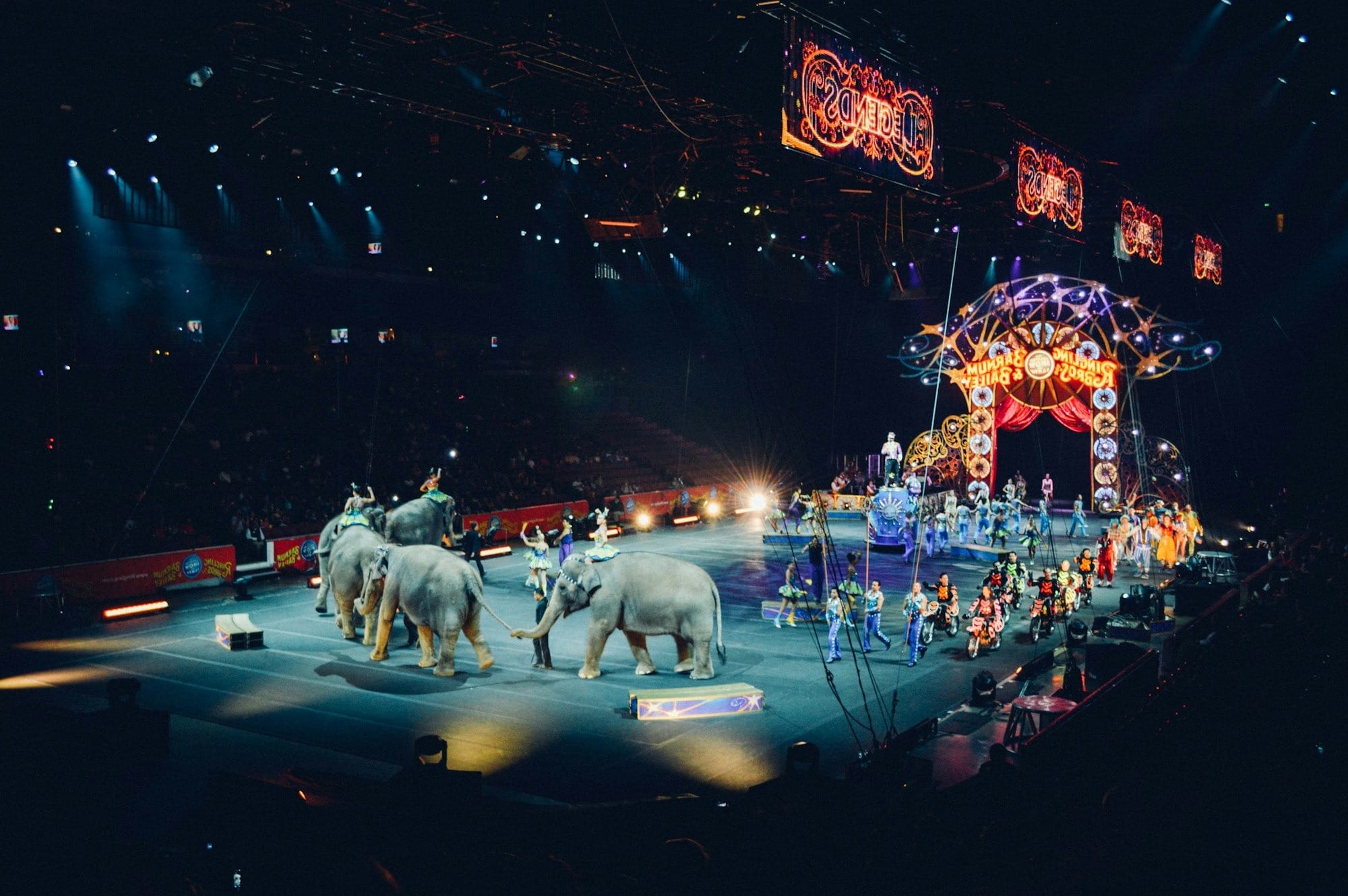

Every organisation has its own internal ecosystem. On one side stands the elephant, a massive and unavoidable creature that represents the large, strategic projects. On the other side, the circus performs day after day, keeping everything moving through small improvements, fixes, and constant attention to detail. Both matter. Both demand resources. And both believe they deserve top billing.
The elephant is the strategic initiative that gets leadership reviews, governance decks, and long-term planning. It promises transformation, resilience, and future growth. Even when it is not glamorous, it carries the weight of the organisation on its back. Without it, the tent does not stand.
Meanwhile, the circus quietly keeps the show alive. It is the UX refinement that removes friction from a journey. It is the small automation that saves minutes for thousands of users. It is the recurring bug fix that restores trust. These are not headline acts, yet they shape the daily experience of every customer and colleague.
The tension begins when both worlds need the same people at the same time. Stakeholders want quick wins. Leadership expects progress on the long-term vision. Teams want clarity. The elephant moves slowly. The circus moves quickly. The same river carries both currents.
When the Big Project Slows the Circus
The elephant always receives attention first. It is visible, strategic, tracked, measured, and tied to KPIs that go far beyond individual teams. It has roadmaps, dependencies, and expectations that stretch across borders and quarters. When the elephant steps into the ring, the organisation tends to hold its breath.
But the circus does not stop performing simply because the elephant is busy. Users still expect a smooth journey. Teams still need an operational rhythm. Stakeholders still ask for adjustments that remove friction or reduce effort. If you ignore the circus for too long, the audience becomes restless. And when trust starts cracking at the edges, even the strongest strategic initiative begins to wobble.
This is not a theoretical problem. It is the daily reality of product leadership in any complex organisation. The elephant needs predictability. The circus needs agility. Both need the same stage.
Finding the Balance Before the Tent Collapses
McKinsey often describes this as the paradox of organisational agility. Great companies are not just fast. They are fast in some places and stable in others. They balance long-term structural work with near-term value creation. They understand that big projects build the future, while small improvements keep the present alive.
The real challenge for a Product Manager is not choosing between the elephant and the circus. It is knowing when to feed each one and how to sequence their needs so they do not trample each other. If you push the elephant too aggressively, the circus performers lose their rhythm, and users lose patience. If you overinvest in the circus, the platform remains trapped in the limitations of its past.
True product leadership is the ability to choreograph this entire performance. You protect the elephant’s slow, steady progress while making sure the circus continues to delight the audience every day. One keeps the tent standing. The other keeps people coming back.
What This Really Means for Product Work
Some strategic projects are loud and visible. Others quietly hold the organisation together from behind the scenes. And the circus, with its quick wins and daily fixes, creates the trust that allows the big initiatives to succeed.
The art lies in understanding that the show only works when all performers move in harmony. The elephant needs space. The circus needs movement. The audience needs both.