
In a large organisation, one team is rarely asked to manage a single type of work. Instead, they must carry at least three different streams inside the same river.
These are not abstract categories. They shape every sprint, every prioritisation discussion, and every leadership expectation. The first stream carries the strategic projects. These are the initiatives that appear in business plans and executive reports, the future vision of the platform, the commitments made across markets. They require predictability, sequencing, long-term planning and visible progress.
The second stream carries the incremental improvements. These are the refinements that shape daily experience: a clearer flow, fewer clicks, an automation that removes friction or saves time. They depend on short cycles, quick decisions and immediate feedback. They are the steady heartbeat that keeps a product alive from one quarter to the next.
And then there is the third stream, the one that never waits for permission. This is the daily operational support. Production incidents appear when they want to. Bugs surface in the middle of a roadmap. Stakeholders call for help at moments when the team is focused on something entirely different. Support work does not bend to the calendar. It must be addressed when it happens.
All three streams are legitimate. All create value. All carry consequences if ignored. Yet when they are forced through the same process and measured with the same KPIs, the inevitable result is confusion. Strategic work is slowed by constant interruptions. Improvements lose rhythm because the team is recovering from incidents. Support suffers when the roadmap absorbs every available hand.
Teams do not fail because the work is complex. They fail because the complexity is treated as if it belonged to a single category.
Why This Becomes Silent Chaos
Strategic initiatives require calm water. They need a predictable flow, stable estimates and a clear sequence. Improvements thrive in motion. They need speed, curiosity and space to iterate. Support demands immediacy. It breaks into the river whenever it wants, with no regard for anyone’s plans.
When all three are mixed into one backlog and one sprint, something subtle but damaging happens. People begin to believe that unpredictability is normal. They associate agility with being constantly interrupted rather than constantly learning. They internalise the feeling that they are always behind, even when they are doing essential work.
The river has not failed. The framing has.
What It Takes To Make The River Flow
The turning point comes when the three streams are acknowledged for what they are. They may share the same team and the same long-term mission, but they do not belong to the same delivery system.
Strategic work needs its own rhythm. Improvements need their own cadence. Support needs a flexible lane that responds without destabilising everything else. When these distinctions become visible, trade-offs become visible too. Suddenly leaders understand why strategic progress slowed. It is not a performance issue. It is the cost of addressing two production incidents and a series of urgent fixes. Suddenly improvements are not treated as decorative but as essential stabilisers that carry user trust until the larger transformations arrive.
A team does not need less complexity. It needs clarity about the type of complexity it is carrying.
The Real Lesson Behind the Three Streams
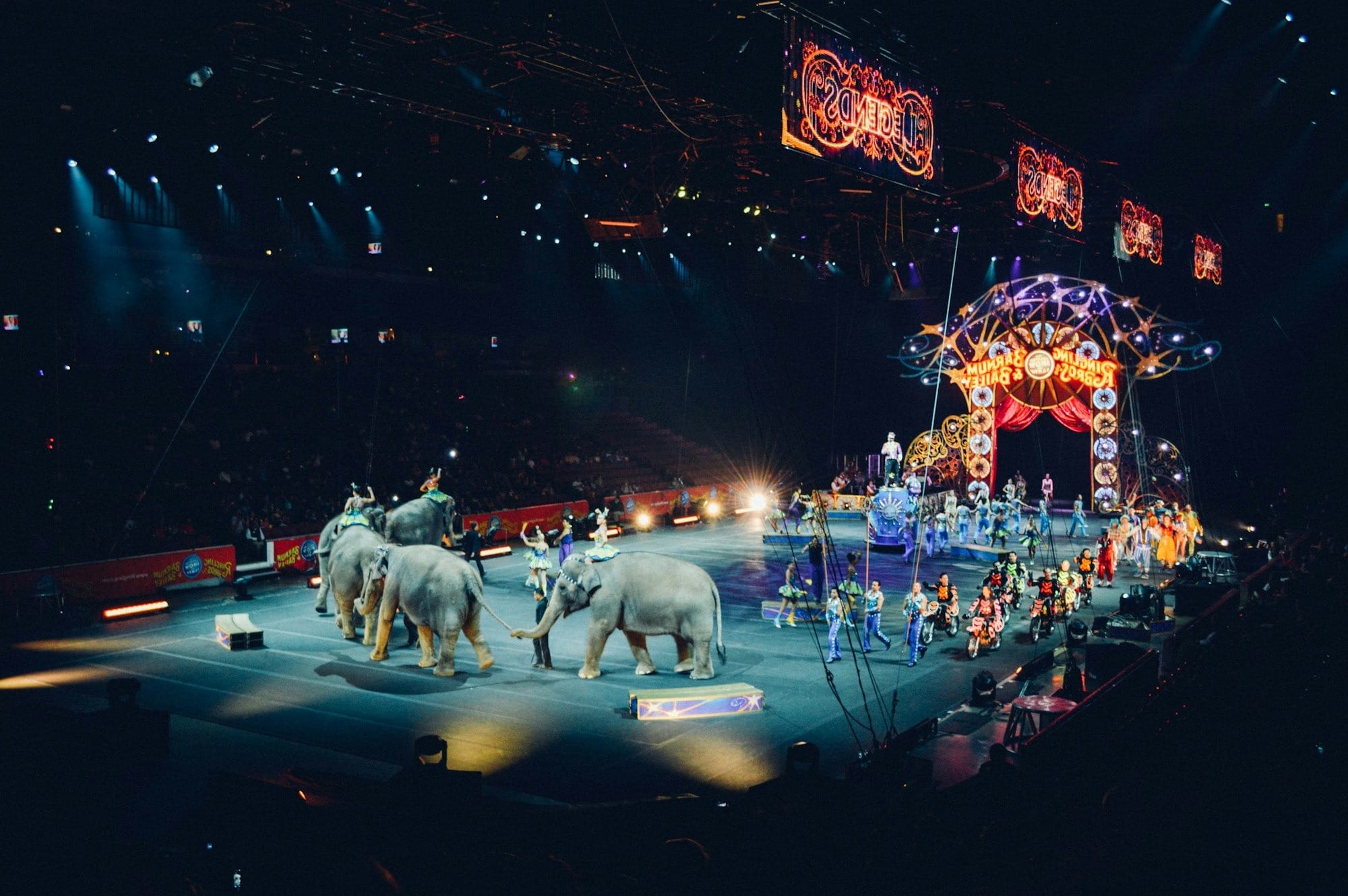
Asking one team to deliver strategic elephants, daily circus acts and unexpected fire drills is part of the product world. The goal is not to eliminate any of these streams. The goal is to let them coexist without flooding each other.
True agility does not mean choosing which stream matters most. It means designing a river where all three can move forward without eroding the banks.
This closes the trilogy. Next, we step into a different kind of complexity: digital identity, from Romania’s six coexisting IDs to the global challenge of identity poverty and what it means for participation in modern systems.