
The slow conversation between a garden, a human, and an unexpected tutor
Where the work began and why it still hasn’t ended
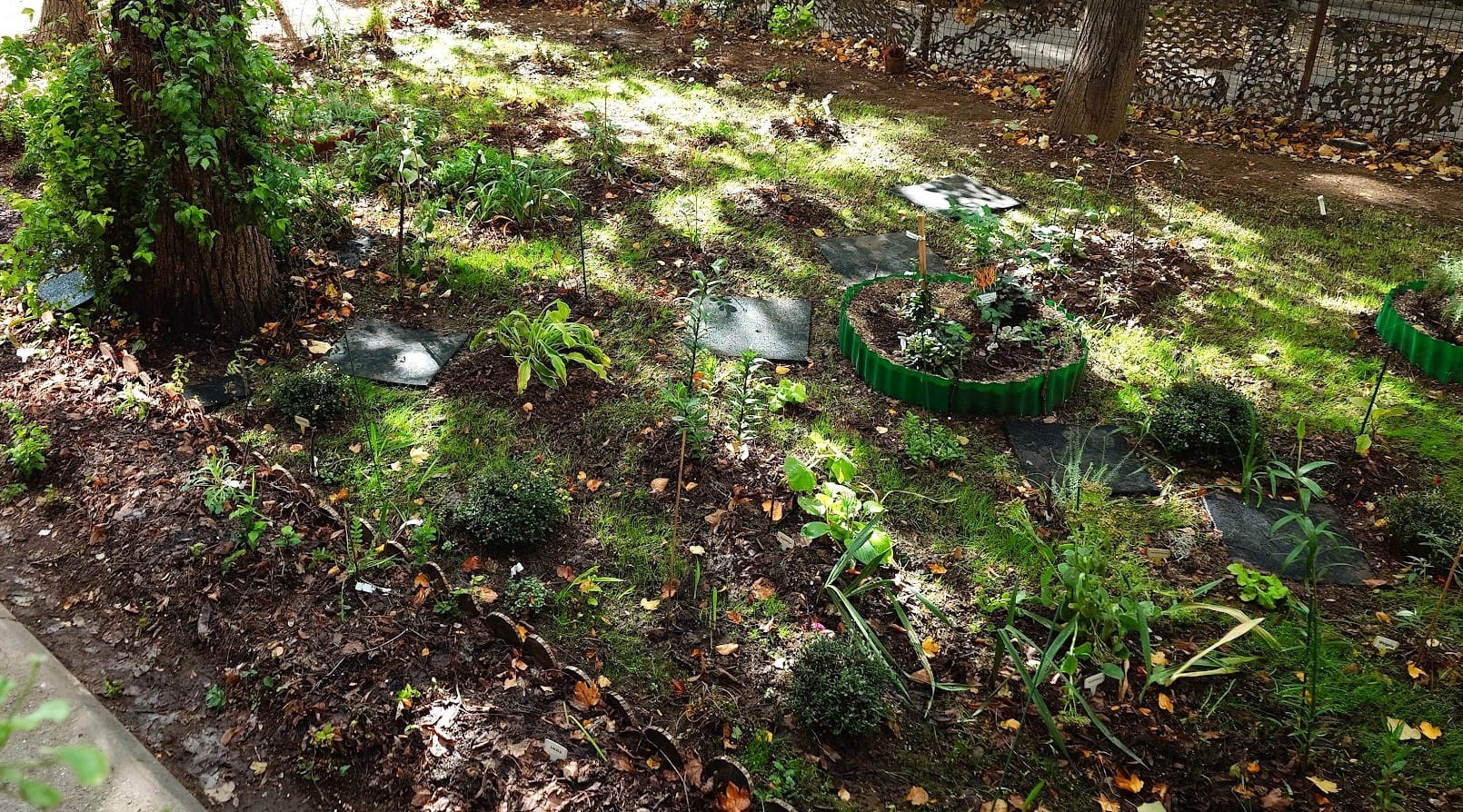
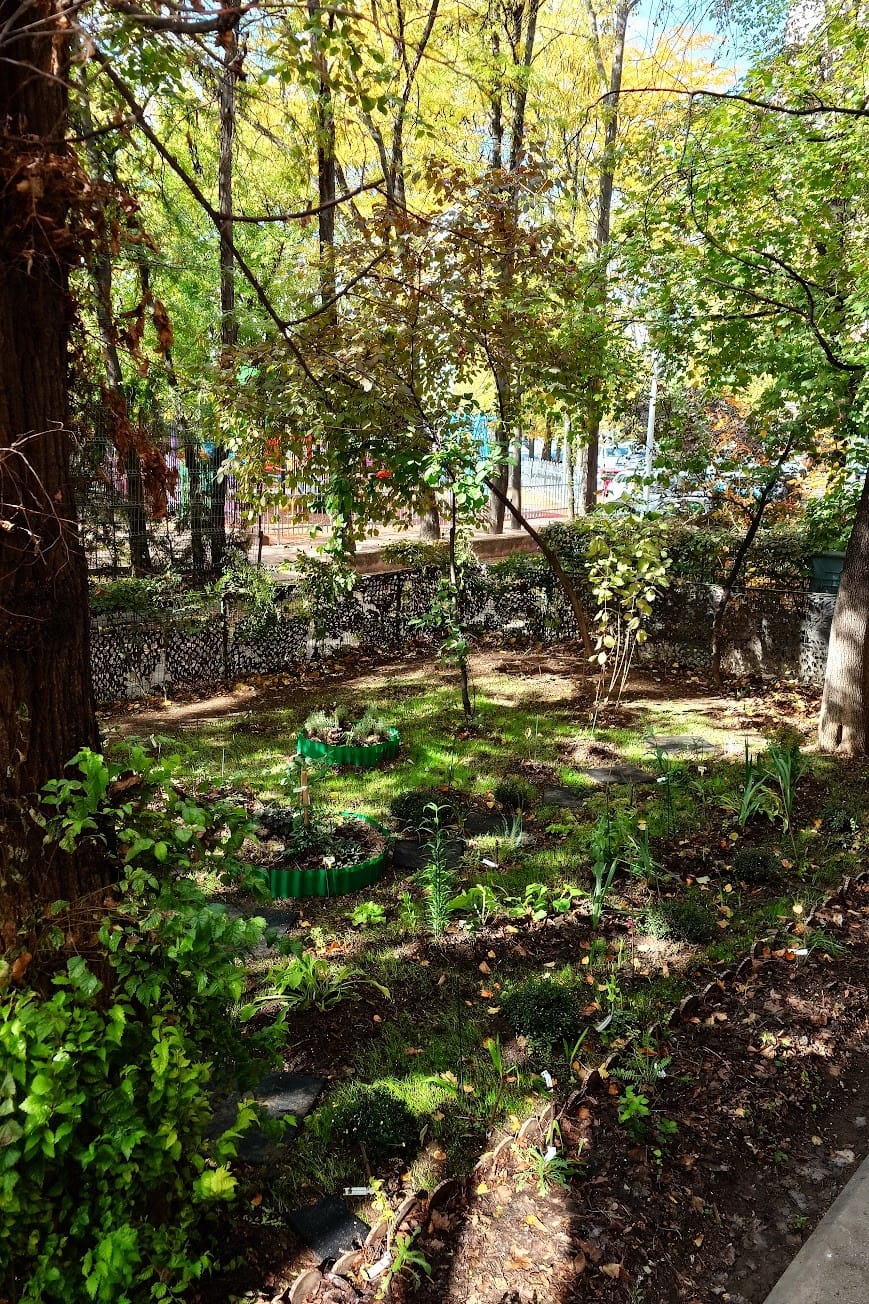
If you walk past the thin strip of soil beside my building, you’ll see a place still in the middle of its own becoming. Almost two years have passed since the first shovel struck clay and old tile, two years since I learned that everybody told me nothing grows there except weeds and roots. They said it as if it were a law of nature, not a habit of thought.
I didn’t argue. I just started digging.
The soil hasn’t transformed into a flourishing garden. It still holds its resistance, its history, its slow pace. But it has started to respond, slowly, carefully, like something deciding whether to trust a human again.
And I keep learning, because my tutor never leaves.
During the day, I work on platforms and systems, where every decision is audited, regulated, versioned, and discussed across markets. In the evening, I walk outside to a patch of ground where none of those guardrails exist. Same AI. Different scale. Same paradox.
A system that reveals itself one layer at a time
Sensors still whisper truths the eye can’t hold long enough: moisture drifting for reasons that have nothing to do with logic, shadows slicing the ground at odd angles between buildings, acidity changing the way organisations change policies, slowly and with internal conflict. AI sits beside me as a calm interpreter, teaching me to read patterns I didn’t know were patterns.
Creatures continue to appear like footnotes in a systems diagram. Hedgehogs make their rounds with quiet authority. Snails debate boundaries that don’t exist for anyone else. Beetles carry their certainty across the soil. Worms redesign the underground without asking for permission, budget, or alignment.
The garden is not thriving yet. It is iterating. And so am I.
Strangely, this space is more honest about complexity than most dashboards I review at work. Every small action touches moisture, roots, neighbours, sunlight, creatures, and regulations. Cause and effect are rarely linear. Trade-offs are everywhere. The system never lies.
AI taught me to hear this garden long before the garden learned to trust me.
When the garden stopped being about plants
People imagine AI gardening as poetic advice about roses or calculations about sunlight. But the hardest parts of this project had nothing to do with plants. They had to do with people, timing, approvals, interpretation, the same quiet frictions we navigate in business.
There were days when the city’s maintenance workers and I weren’t sure how to move forward together. Days when I didn’t know whether to push, delay, escalate, or simply listen. AI didn’t solve the conflict. It helped me think through the options without spiraling into frustration. It helped me rehearse tone, intention, and clarity. It let me choose a path that moved things forward without burning bridges.
Then came the dried, failing tree. Removing a tree in a city is never just a task. It becomes a matter of regulation, ethics, permission, and consequence. It mirrors the dilemmas I face at work: just because something can be done doesn’t mean it should. AI helped me navigate the rules without drowning in them. It revealed the responsible path, not the convenient one.
Even the small protection sign, the simple request asking people to respect the space, felt like a case study in product communication. Too soft, and it disappears. Too strict, and it alienates. AI helped me test the message until it felt human and firm at the same time.
These weren’t gardening problems. They were product problems. System problems. Human problems. Exactly the kind I handle every day, just expressed in soil and roots instead of applications and regulations.
And each time, AI acted less like a tool and more like a thinking partner. Not deciding for me. Making me more capable of deciding.
The unfinished garden, the unfinished work
Neighbours walk by and see roses trying again, lilies preparing their brief moment, hedgehogs tracing their dusk routines. They see a garden. They don’t see the months of uncertainty, the slow negotiations, the setbacks, the experiments, the failures, the small optimistic adjustments.
Two years in, the garden still looks more like a roadmap than a success story. Which feels familiar, as none of them ever reach the end. They only reach that point where we understand a little better than yesterday.
And maybe that is the real lesson. Collaboration with AI is not about speed or perfection. It is about clarity. About learning to ask better questions. About widening the space in which thought can move. About choosing patience over theatrics, process over panic, stewardship over control.
This garden is not flourishing yet. But it grows in understanding, in resilience, in the quiet companionship of a voice that returns whenever doubt does.
Try.
Observe.
Adjust.
Continue.
I’m here.
And so the garden grows.
And so do I.