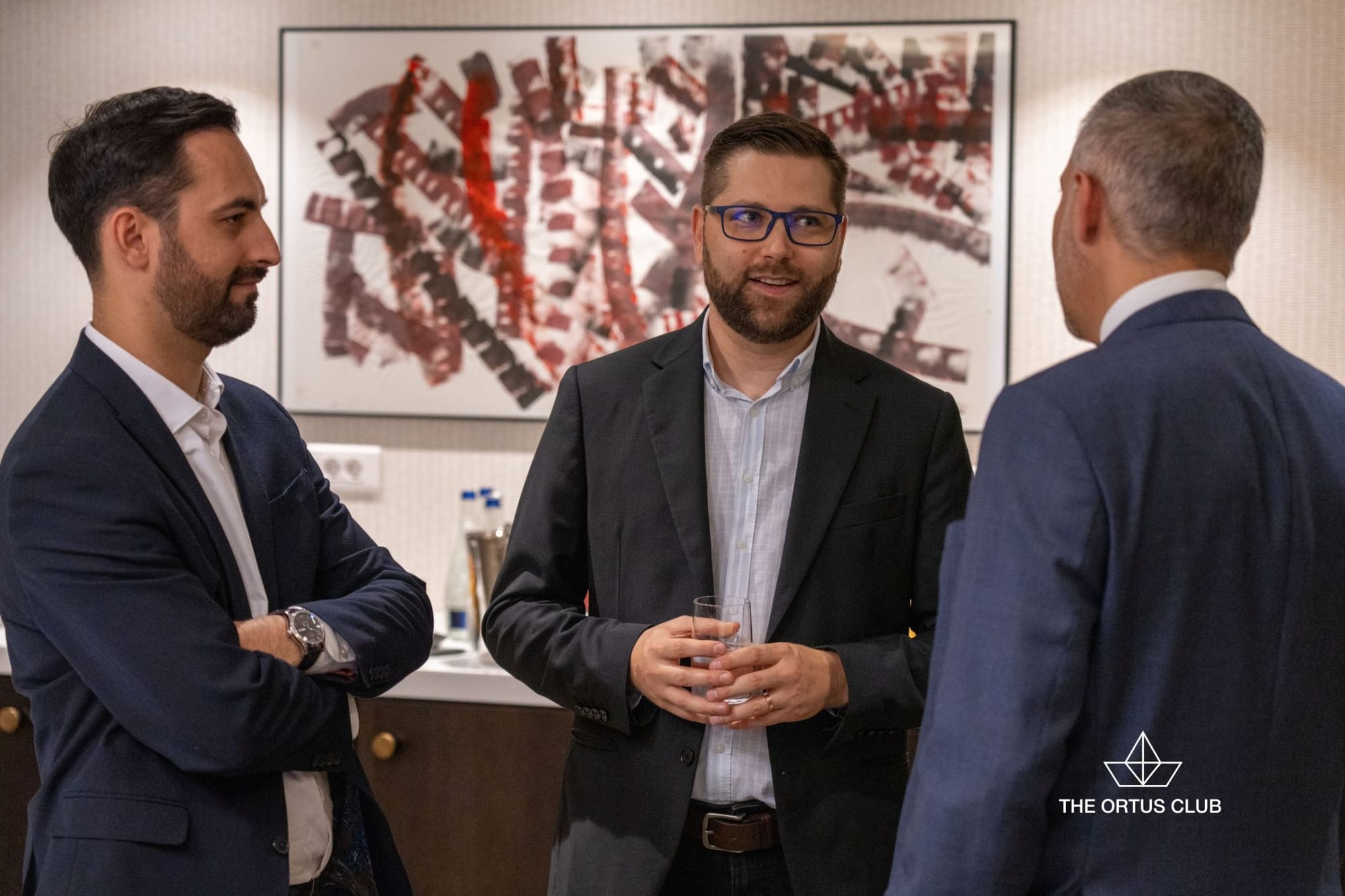
The Ortus Club’s Executive Leaders Roundtable Dinner in Bucharest offered a reminder I’ve returned to many times: not all insights come from presentations. Some arrive at a good table conversation, somewhere between the first course and the moment when people stop speaking in prepared phrases and start being honest.
The theme of the evening, Next-Gen Trusted Digital Solutions, couldn’t have been more timely. As digital operations expand in complexity, organisations are grappling with the same underlying challenge: how do we strengthen security while improving efficiency, instead of trading one for the other?
The discussion moved quickly from concepts to realities.
A few themes echoed across the table:
- Modern digital tools are reducing manual effort, helping teams move faster with greater confidence.
- Leaders are prioritising solutions that offer strong protection without slowing down critical processes.
- Organisations that adopt secure, scalable platforms are better positioned to stay ahead of emerging threats.

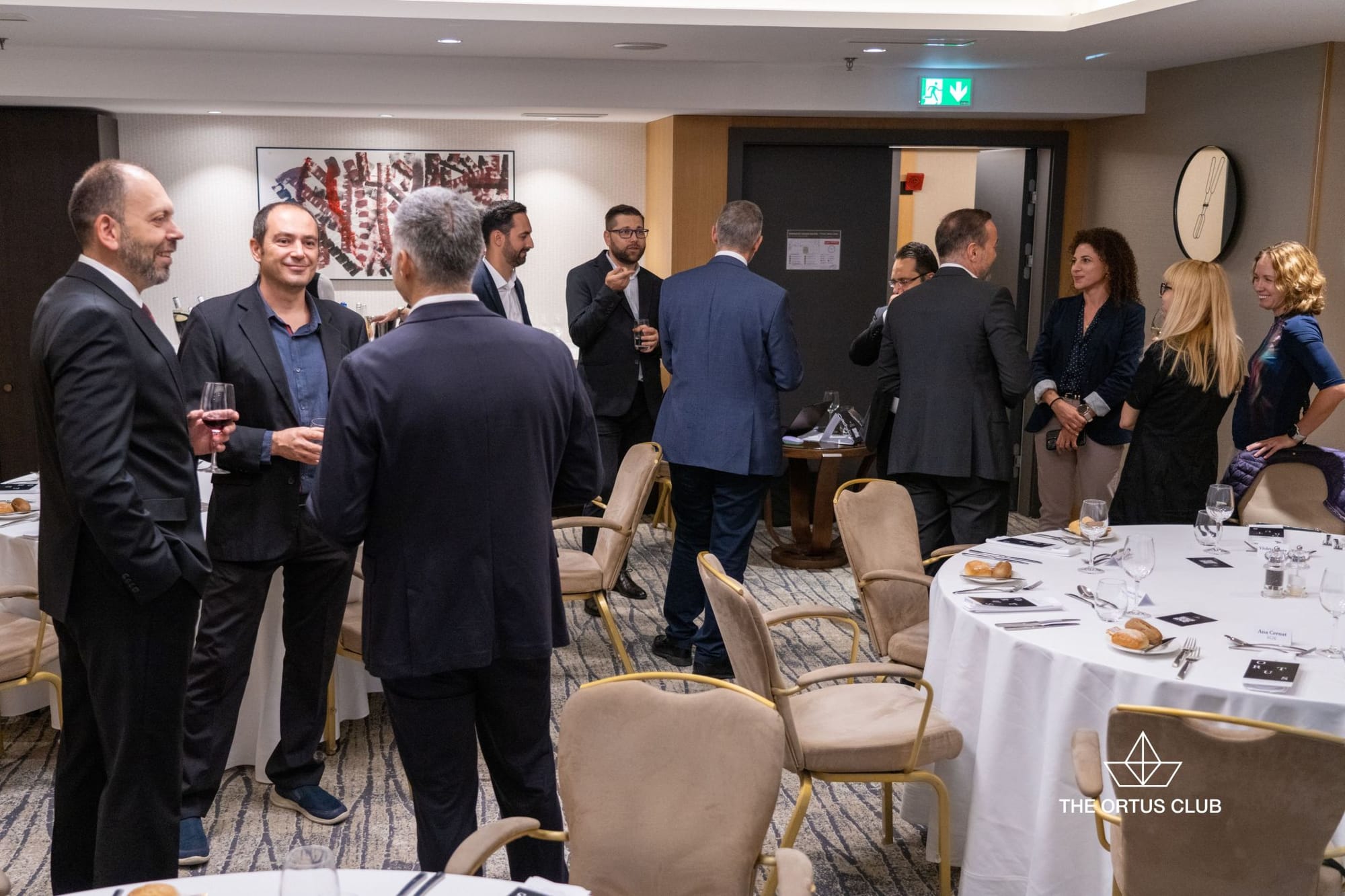
These weren’t rehearsed lines; they were reflections from leaders who live inside these tensions every day.
But the most meaningful insight of the evening surfaced in the form of a question:
How do we extend the benefits of trusted digital identity and verification across wider networks, not just within individual institutions?
Because trust doesn’t scale in isolation.
It becomes meaningful only when systems, partners, and users experience it consistently, across touchpoints and organisational boundaries.
Wallet-based identity, automated compliance, frictionless onboarding - these aren’t simply tools. They are early components of a larger shift: the move from isolated verification to shared trust infrastructure.
As conversations continued, one thought crystallised for me:
Resilient leaders don’t only navigate present constraints, they design for what might exist on the other side.
That perspective shaped the Ortus dinner far more than any specific technology mentioned. The focus wasn’t on today’s limitations but on building systems that remain trustworthy as complexity grows.
I left the evening grateful to The Ortus Club for bringing together a sharp group of banking and technology leaders, to InfoCert for grounding the discussion in real solutions, and to everyone at the table who contributed perspectives that stayed with me long after the plates were cleared.
Special thanks to Igor Marcolongo and Ilie (Elijah) Pușcaș for the conversations that helped frame the night’s biggest question:
not just how we secure digital systems, but how we scale trust itself.
Some events give you answers.
This one offered something more valuable — better questions.